
How to Prepare a Pier and Beam Home for Foundation Work in Lakeway
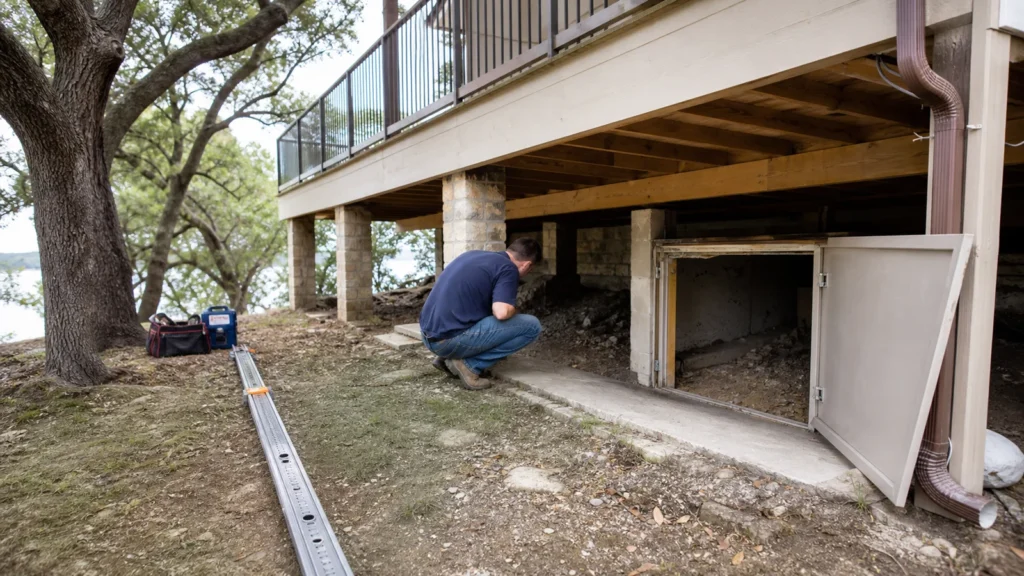
Before pier-and-beam work, clear agreed access areas, secure pets and fragile items, document existing cracks and floor conditions, identify utilities, and confirm how the crew will enter the crawlspace. The contractor should explain what needs to move and what can remain in place.
Crawlspace Moisture and Pier and Beam Foundations in Lakeway
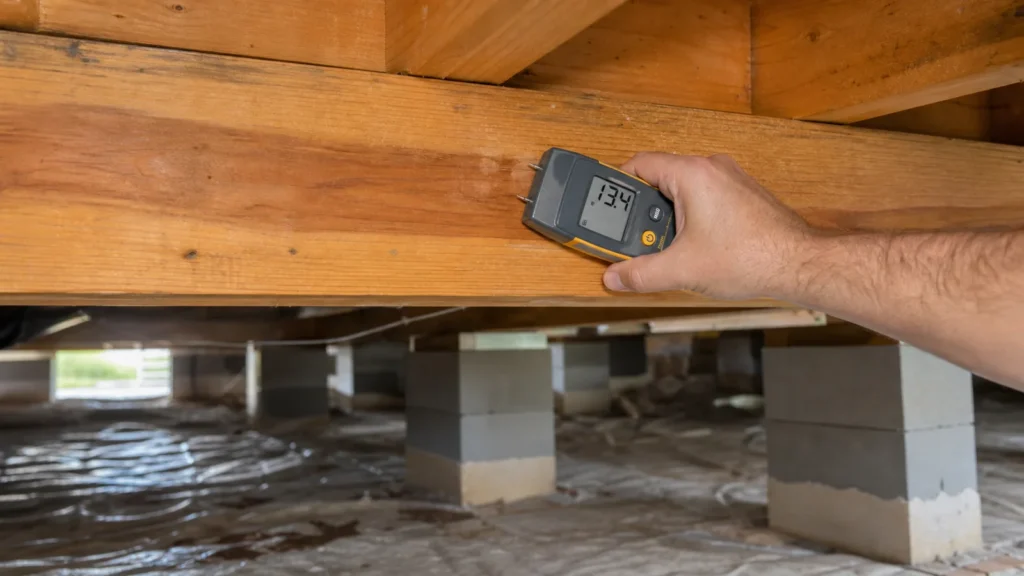
Persistent crawlspace moisture can affect wood, connections, air quality, and access beneath a Lakeway home. Owners should look for water entry, standing moisture, staining, odor, corrosion, and soft wood, then correct the source and evaluate any affected structural components.
Block and Base Foundation Repair in Lakeway: How an Evaluation Works
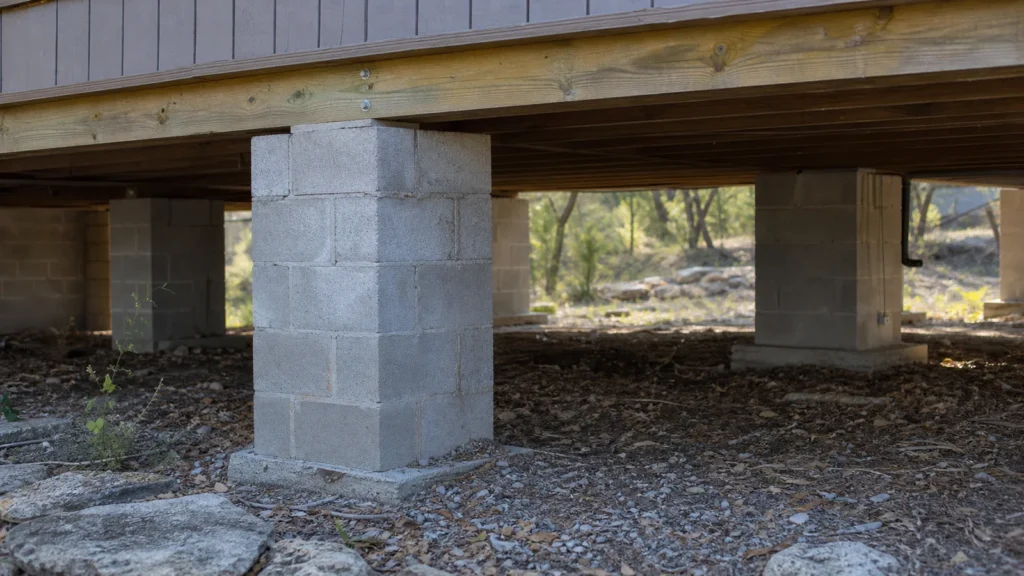
A block-and-base evaluation checks whether supports are aligned, stable, properly bearing, and connected to sound framing. It also compares crawlspace conditions with floor, wall, and opening symptoms above. The goal is to identify the support path that has changed and develop a controlled correction.
Bouncy Floors in a Lakeway Pier and Beam Home: Possible Causes
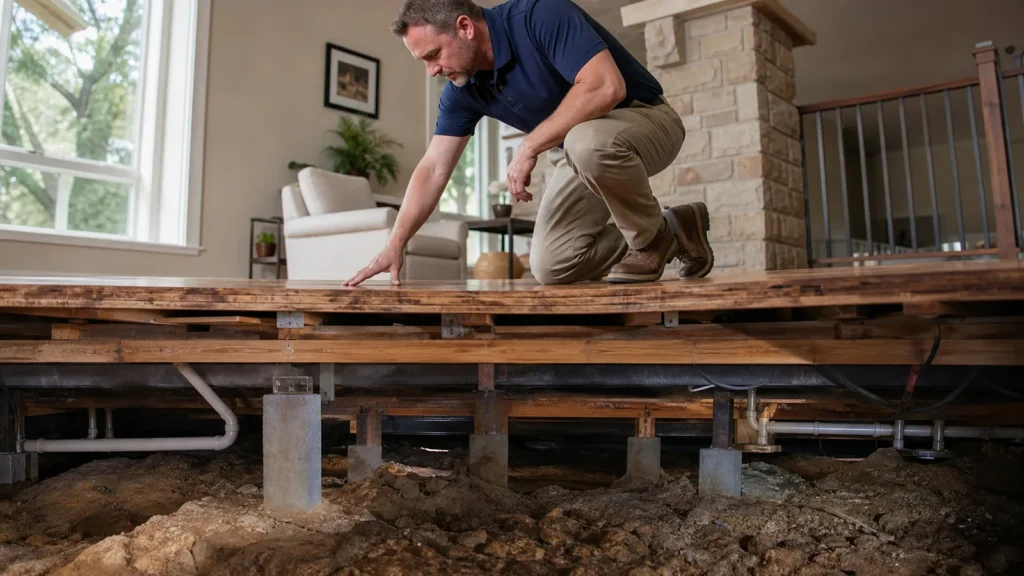
A bouncy floor may come from joist or beam deflection, a support gap, a shifted pier, a weak connection, or moisture-related wood damage. The location and span of the bounce help identify which component needs attention; adding a random support without diagnosing the load path can miss the cause.
Pier and Beam Foundation Problems Commonly Seen in Lakeway Homes
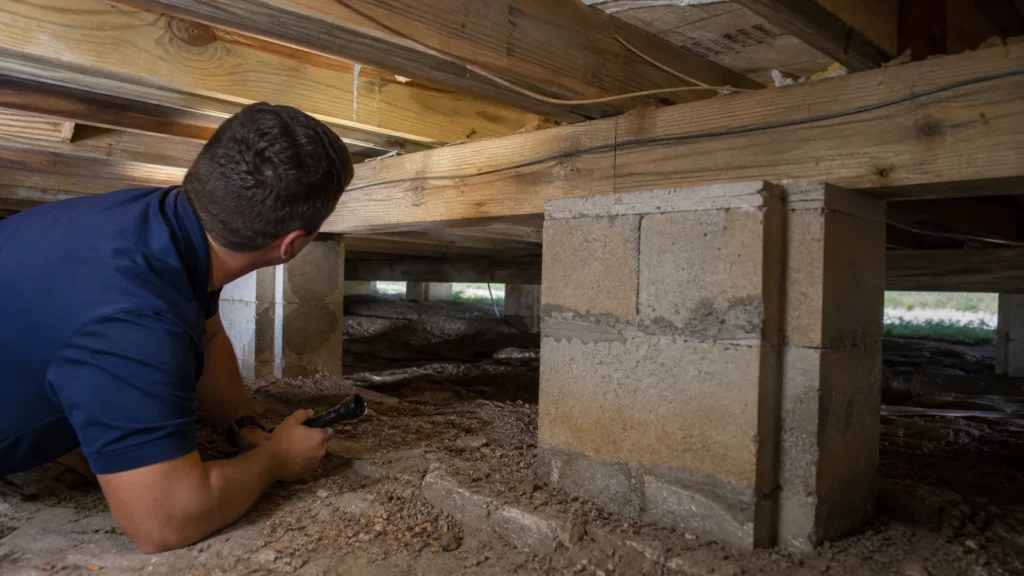
Pier-and-beam problems can involve shifted or deteriorated supports, uneven load paths, moisture below the home, damaged wood components, or soil movement. Typical clues include bounce, localized dips, interior cracking, opening misalignment, and visible changes in the crawlspace.