
A Lakeway Homeowner’s Foundation Inspection Checklist
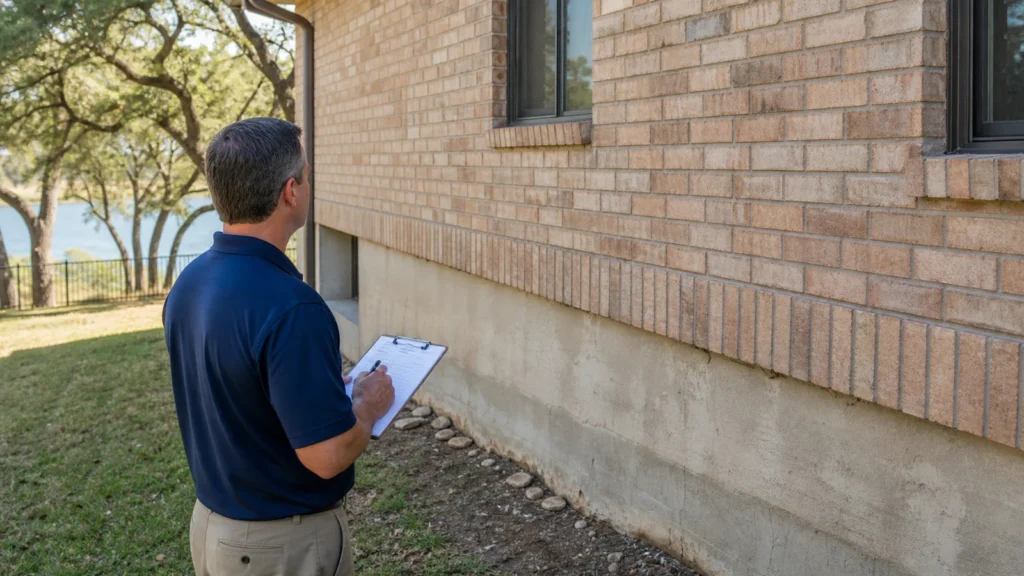
A useful foundation check starts outside with drainage, soil gaps, slab or pier exposure, and masonry, then moves inside to floors, walls, doors, windows, cabinets, and plumbing clues. Record observations with dated photos instead of trying to diagnose the repair method yourself.
Why Doors and Windows Stick When a Lakeway Foundation Moves
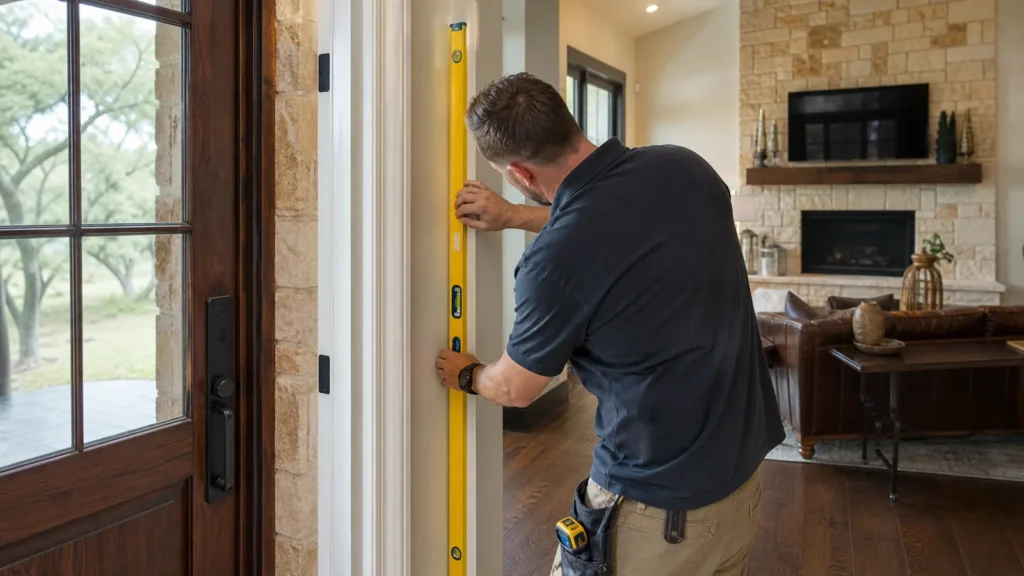
Foundation movement can shift wall framing out of square, which changes the clearances around doors and windows. Humidity, hardware, and paint can cause similar symptoms, so the strongest warning is a new or worsening fit problem that appears with diagonal drywall cracks, trim gaps, or uneven floors.
Foundation Cracks in Lakeway: Cosmetic or Structural?
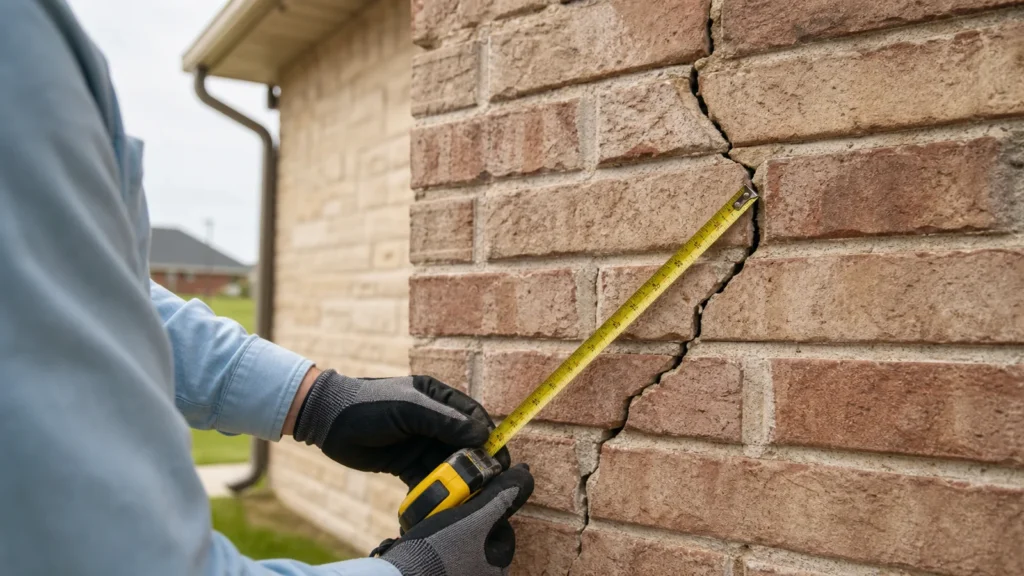
A thin, stable surface crack may be cosmetic, while a widening, displaced, diagonal, or repeating crack can point to movement. Location and change over time matter more than appearance alone, so Lakeway property owners should photograph and measure cracks and request an evaluation when the pattern grows or appears with sticking doors or uneven floors.
7 Early Signs of Foundation Trouble in Lakeway Homes
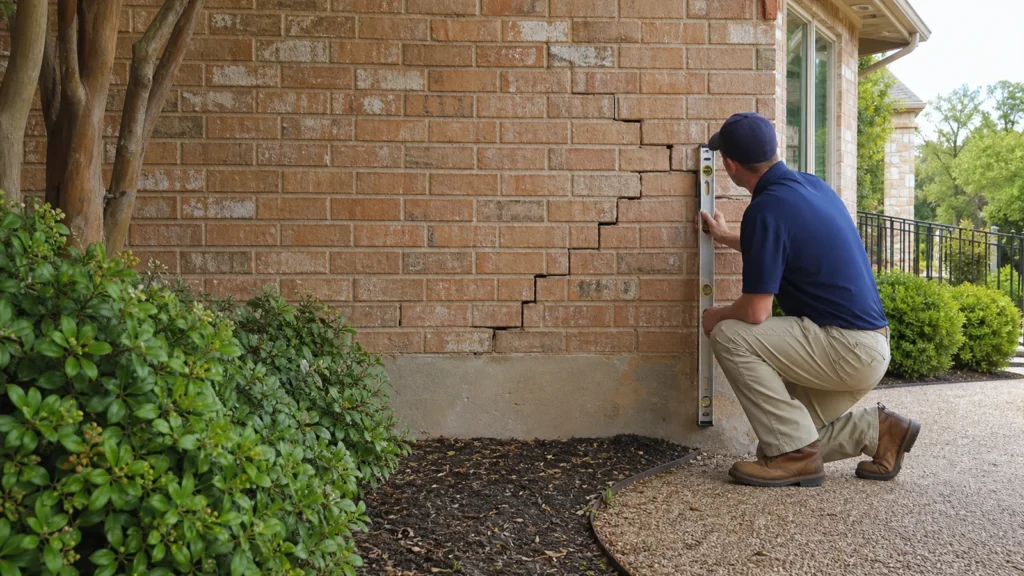
Lakeway homeowners should pay attention to widening wall cracks, doors that begin sticking, sloped or bouncy floors, gaps around trim, separating masonry, plumbing changes, and visible settlement near the foundation. One symptom alone is not a diagnosis, but a pattern or a change over time deserves a professional inspection.