
Plumbing Leaks and Slab Movement in Lakeway: What to Check First
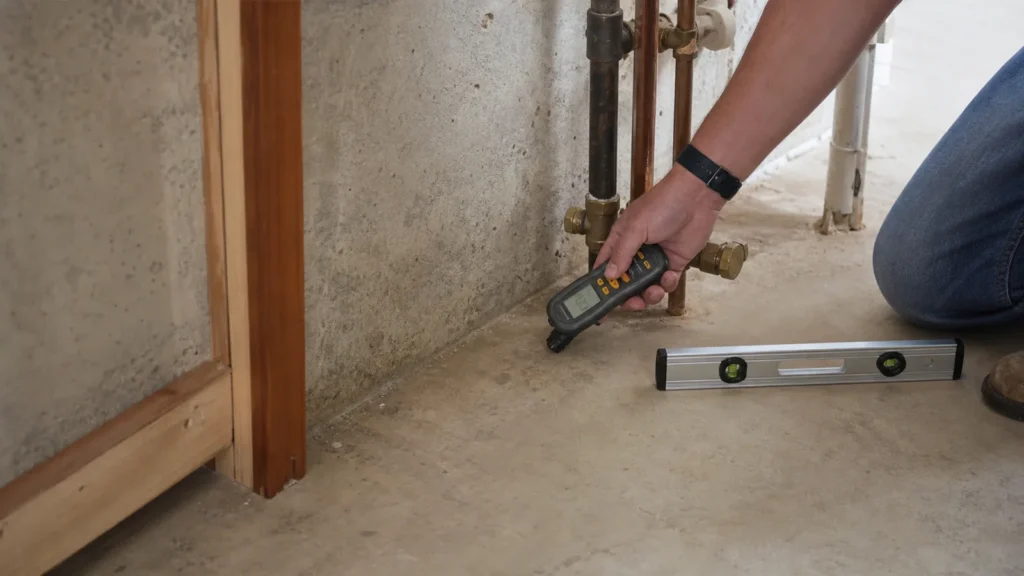
Plumbing leaks and slab movement can occur together, but one does not automatically prove the other caused it. Check for unexplained water use, damp or warm flooring, sound of running water, and localized movement, then involve the appropriate plumbing and foundation professionals so each condition is tested directly.
Tile and Grout Cracks: When Lakeway Slab Movement May Be Involved
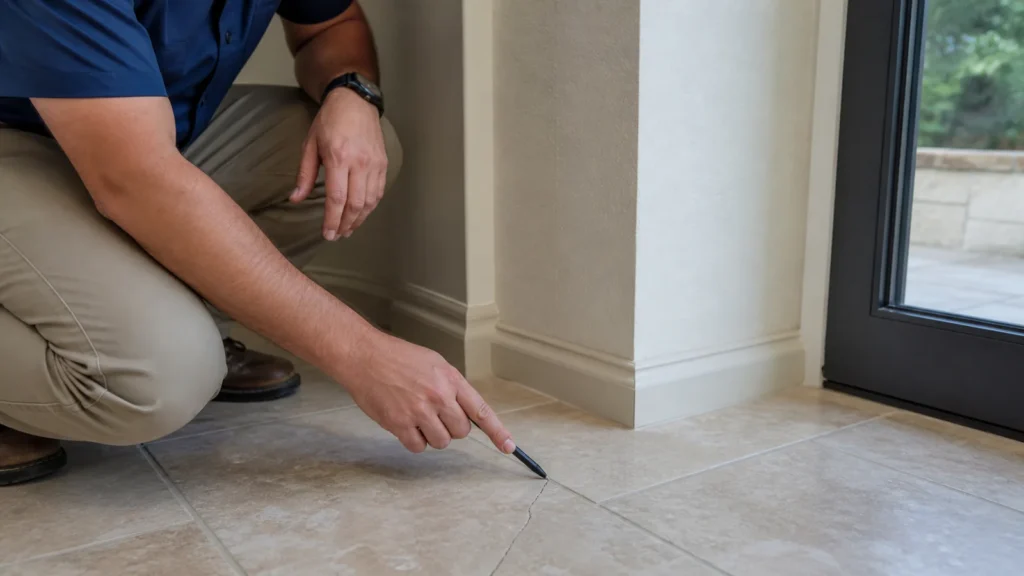
Tile can crack because of installation, impact, temperature change, or movement beneath it. Foundation movement becomes more likely when cracks cross several tiles in a continuous line, return after repair, or align with wall cracks, floor slope, and door changes.
Slab Foundation Repair Methods: Questions Lakeway Owners Should Ask
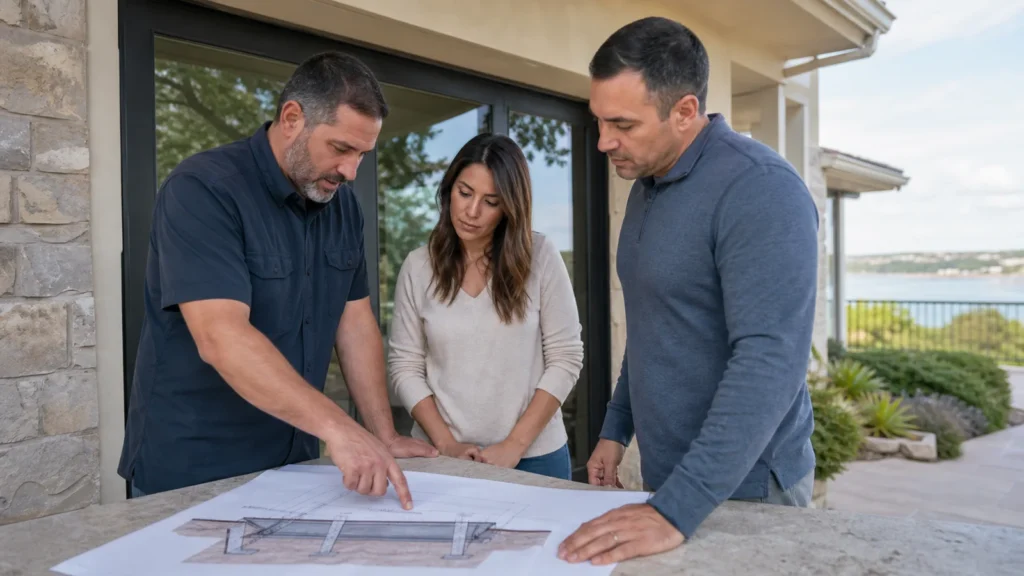
No single slab repair method fits every Lakeway property. Owners should ask how movement was measured, where support is needed, why the recommended system matches the structure, what access is required, and how the crew will verify the result. A clear proposal should tie the method to site-specific evidence.
Concrete Slab Settlement in Lakeway: Causes, Clues, and Next Steps
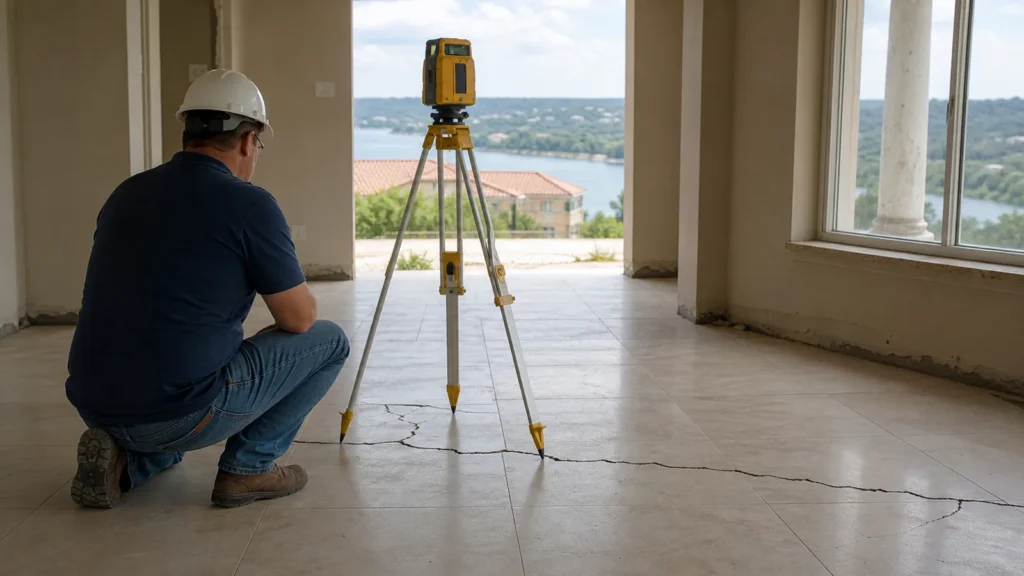
Concrete slab settlement occurs when part of the foundation loses support or moves differently from another part. The result can include floor slope, tile cracks, wall cracks, and opening misalignment. The next step is to map elevation and symptom patterns so the repair recommendation addresses the affected area rather than the appearance alone.